Working Notes

Working Notes

Real-world learnings from building and operating lending and debt collection platforms. This pillar documents what actually works in production, what breaks under pressure, and the patterns that emerge when you build these systems at scale.

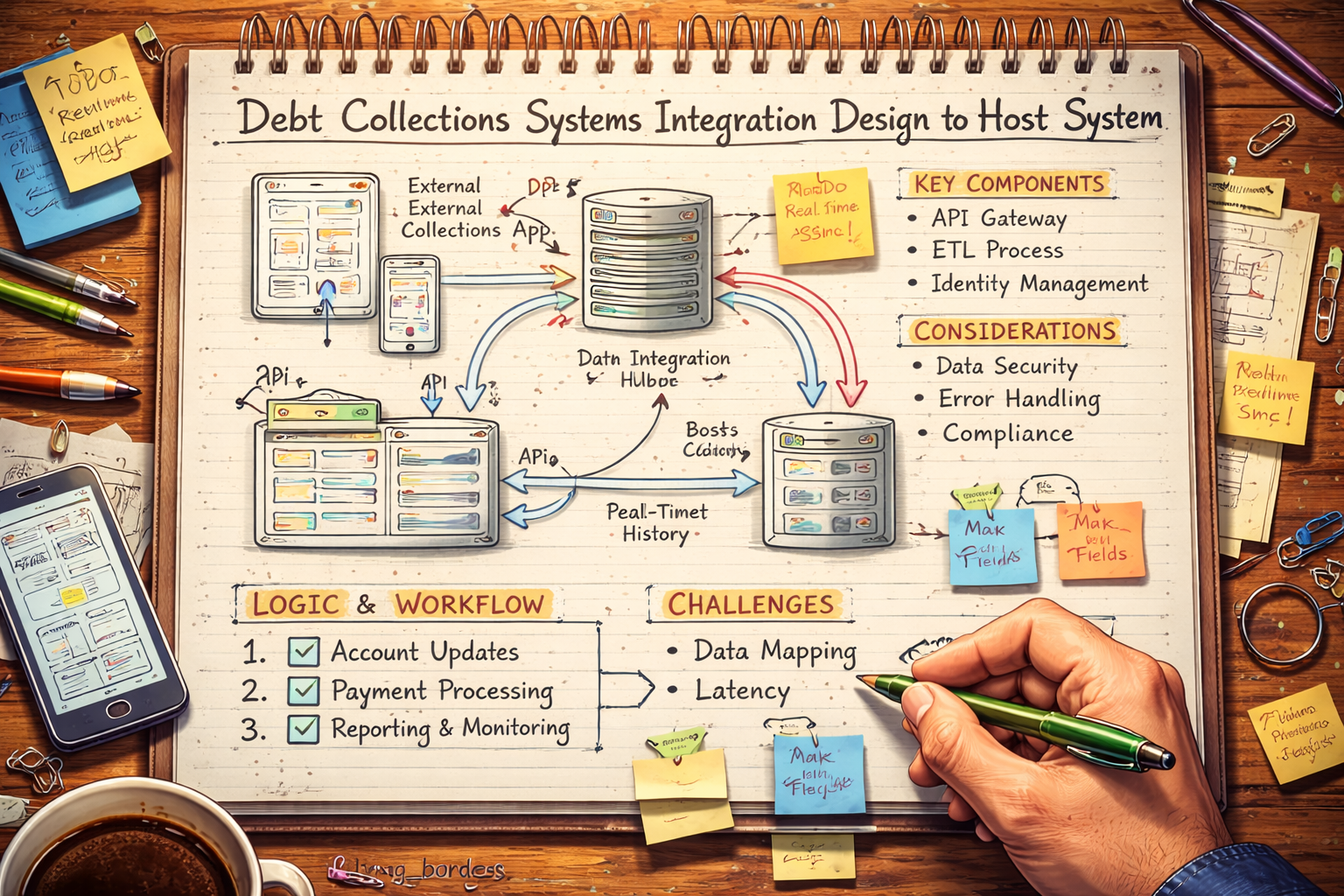
System architecture visualization

Captures the messy reality of building financial systems. These aren't polished case studies but active documentation of what we're learning as we build. You'll find notes on production incidents, architectural decisions that worked (and ones that didn't), and the kind of operational knowledge that only comes from running systems in the real world.

Topics in this Pillar

10 topics

Mar 24, 2026

Instalment Allocation Using Balance Deltas Instead of Transactions

This article explains how to allocate instalments when systems only receive periodic balance snapshots rather than transaction data. Instead of assuming payment events, it calculates the change between balance snapshots and applies that inferred movement safely across instalments. By anchoring calculations to a trusted baseline and evolving state incrementally, the model preserves determinism, auditability, and consistent account behaviour even when the underlying events are not visible.

Mar 24, 2026

How Payment Processing Logic Shows Up in Everyday Accounts

Some debt collection systems only receive periodic updates of the total balance rather than detailed payment events. When the balance changes, the system must infer how that reduction should be applied across instalments. Deterministic allocation logic ensures the outcome is consistent, so balances, missed payment indicators, and the next amount due appear clearly on statements, apps, and customer service screens. The linked article explains the Arrears Delta Apportionment model used to implement this approach.

Mar 22, 2026

When Balances Are All You Have

Some servicing integrations only receive periodic balance snapshots from a host system rather than detailed payment events. When the balance changes, the system must infer how that reduction should be applied across instalments. This article explains how to design allocation logic under that constraint by treating balance changes as inferred net movement instead of confirmed payments. Deterministic allocation ensures balances, missed payment indicators, and next amounts due remain predictable and explainable, even when systems exchange only limited information.

Technical
Jan 15, 2026

Deterministic Resegmentation: Constraining Host Account Updates for Reproducible Queue Outcomes

When a collections system updates segments and queues after a host account change, the results should be consistent if the same update is replayed. That only happens when the inbound account data is clearly defined and enforced, and the resegmentation rules are explicit and deterministic. Without both, the same account update can lead to different outcomes.

πŸ”’ Locked
Sep 17, 2025

Missed payment detected late due to payment or transaction workflow failures, or delayed data propagation to entity services

When payment outcomes are detected later than they occur, systems can act on outdated assumptions. This can affect how pre-collections actions are timed and interpreted by customers. Treating detection timing as an explicit part of the system helps keep responses aligned with what is actually known at the time.

Explore More

Check out topics from other pillars or browse all topics.